What drove the development of Animated Artwork?
Industry data shows dynamic covers can increase social media engagement with fans by 30% or more – animated artwork covers have become a staple for some of the most successful releases in recent times. It's essentially a mini-cinematic moment that enhances your fans' experience with your music. However, producing them independently requires strong design skills, time and in some cases an extensive budget. Not everyone has the luxury of all three, which is why we wanted to provide a solution that made it accessible, easy and quick to produce Animated Artwork at a professional-grade level.
At Musixmatch, we champion creativity at every level - from global superstars to independent artists finding their sound. What excites us most is how tools like Animated Artwork democratize visual storytelling. They allow anyone, regardless of background or resources, to express their artistic vision in motion and connect with audiences in new, more immersive ways.
Walk us through how it works from a user perspective.
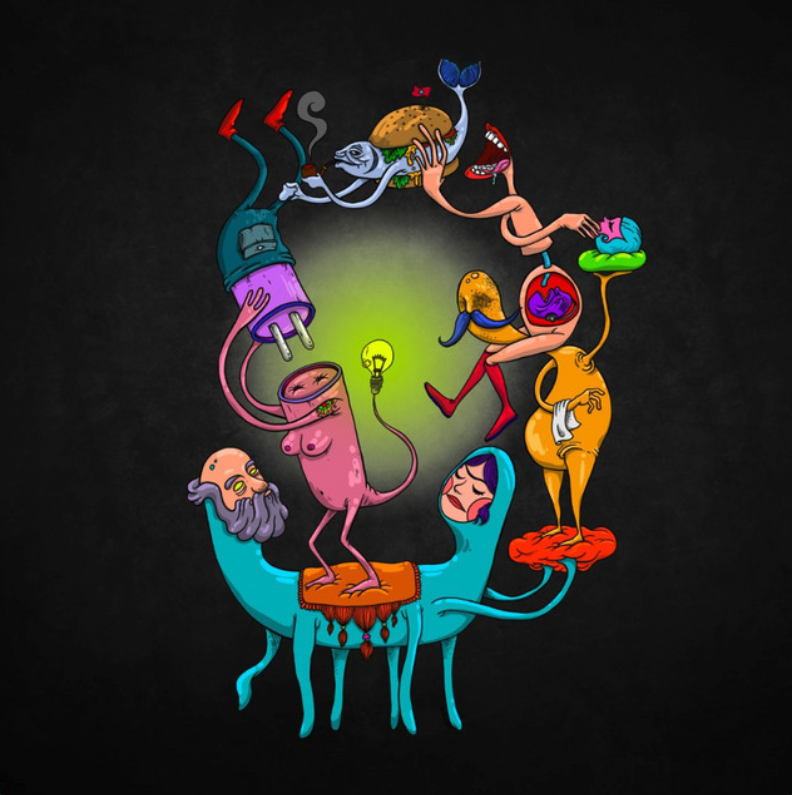
We always aim to keep the user experience as simple as possible to make the whole process seem seamless and intuitive. It only takes a few steps to get your own Animated Artwork. Once a user accesses their profile and verifies their artist credentials, they can start creating their own dynamic covers. They head to the Videos tab, click Create under Animated Artwork, then select a song that has the static album cover they want to animate. Then they watch as their album artwork is brought to life in seconds. What we love about Runway’s Image to Video is that it's incredibly fast – you press a button, wait a couple of seconds and boom, your album is in motion. That speed feels a little bit more magical.
Once it's generated, assets can still be customized to ensure quality and brand alignment. Finally, the user exports it and can upload it on Apple Music, Tidal or even their social media. All our assets meet the specific technical requirements for each platform.
What's happening on the backend to make that work?
The tool is built on three key pillars: vision analysis, prompt automation and our integration with Runway. Our system analyzes the album cover using computer vision to identify key visual elements such as color palettes, textures and focal points. In some cases, we even integrate metadata, such as the musical genre, ensuring the animation feels true to the music itself.
Then, we automatically generate intermediate prompts – structured animation instructions that define how each part of the artwork should move. This is actually one of the biggest challenges artists face when using AI tools directly: prompt generation. So we saw the need and found an innovative way to bridge that gap. These prompts ensure that if there's a person in the image, we don't make them do something crazy or distracting for the user – maybe just a few subtle nuances. For example, if the album cover shows an artist standing under a cloudy sky, we might gently animate the clouds drifting across the background - adding life without distracting from the image.
We leverage Runway via the API as the rendering engine, which is optimized for smooth, loopable video generation. Combined with our proprietary intermediate prompts, it produces consistent, platform-ready motion covers without distortion or jitter. The result is a dynamic motion cover that feels like a natural extension of the artwork and artist – their cover, their brand, their story, brought to life in a way that works seamlessly across platforms.
You mentioned that many of the platforms you partner with have specific requirements for these animations. Can you elaborate on that?
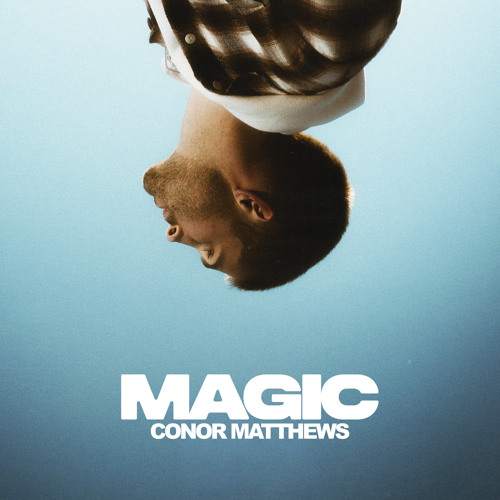
Take Apple, for example – on Apple Music, animated album covers are called Motion Albums, and if you look at their requirements, you'll see you cannot go overboard with the animation. Look at Taylor Swift’s Folklore album, which has a black and white cover where she’s in a forest – you might want to animate the leaves falling from the trees, but keep everything else the same so it’s not distracting. If you have a person in front of an ocean, you may want to see the water moving, but it still has to feel like an album cover. As an artist, you can really dive into the intention of the album cover, not just add an artificial layer of animation on top that doesn't speak to the essence of the album.
How has the launch been received?
The response has been overwhelmingly positive. We saw tens of thousands of visits to the Animated Artwork landing page in just the first few weeks, with a conversion rate three times higher than industry average.
We've noticed that clients are so satisfied it leads them to produce other video assets on the platform. Many artists are trying different versions of what they can achieve with the tool and then posting them on Spotify Canvases and Apple Music Motion Albums, or on their social media.
How else are you planning to use Runway?
We're interested in visualization of music. That's the bottom line. Lyrics themselves are a visualization of music – they go beyond simple subtitles. Through typography and colors, lyrics can bring a song to life, whether that’s in well-done lyric videos, album and concert merchandise or short clips for social media. You see this at concerts, when an artist displays song lyrics as they perform – people can really engage with that. AI can amplify that connection, transforming how music is seen, felt and experienced.

What excites you most about AI and creativity?
AI helps people go beyond their core expertise. It's not just about movie directors being more efficient with their work, though of course there's that too. It's great musicians becoming movie directors. Sometimes in that intersection you find real innovation and creativity from people that come from different fields.
I learned about this in design school – the idea of the T-shaped person: someone who has deep expertise in one area but is curious and capable across many others. What excites me most about AI is how it enables that kind of creative crossover. It allows people to step outside their core discipline, explore new fields and bring fresh perspectives that seasoned experts might never consider. That’s often where real innovation happens.
What advice would you give to other brands considering using AI?
Every brand has specific needs – you have to partner with a company that truly understands your objectives and that also has an innovative vision. Technology today is advancing at lightning speed, particularly AI. So you need partners that are responsive and can accommodate your needs because what works today may not work tomorrow.
The fact that Runway's models respect visual cues and provide consistency in all aspects means that our end user's brand is respected and enhanced. This for us and for our community is critical, because all your assets need to align. On top of that, the cinematic quality is unparalleled – delivering studio-level results that meet the highest creative standards.