Fremantle, part of RTL Group and Bertelsmann, is one of the world’s largest production and entertainment companies, producing a number of hit unscripted shows including The X Factor and Family Feud. Imaginae Studios is an AI-native production label founded by Fremantle in 2025, with a mandate to create high-quality IP that pushes the boundaries of what AI-native content can be. Art Awakens is their first production: a series of short films exploring the emotional and intellectual worlds inside history's most iconic artworks, made with Runway. In this conversation, Imaginae CEO James Duffen and Art Awakens’ creator Hilario Abad discuss their work on the show.
Tell us about Imaginae Studios. How does it fit into the broader Fremantle group?
JD: Fremantle is looking at how AI can improve existing workflows in a variety of ways. We wanted to go all-out and ask what's truly possible when you're AI-native from day one. So we set up Imaginae as its own independent label. We're not an R&D center for the group. We're here to create a catalog of genuinely high-quality creative IP.
We're based in King's Cross in London, which is where a lot of the AI companies in the UK are. Being separate from Fremantle's traditional machinery means we can take real creative risks. But we're also backed by one of the largest TV groups in the world, so we can actually bring a creator's bold vision to life – we can fund productions, access capital and draw on all of Fremantle's development, production and talent resources. That's a rare combination.
Where did the concept for Art Awakens come from?
JD: Two things came together at once. From the studio's perspective, we wanted to stake our claim with something that set a very high creative bar, and art felt like the right territory for that.
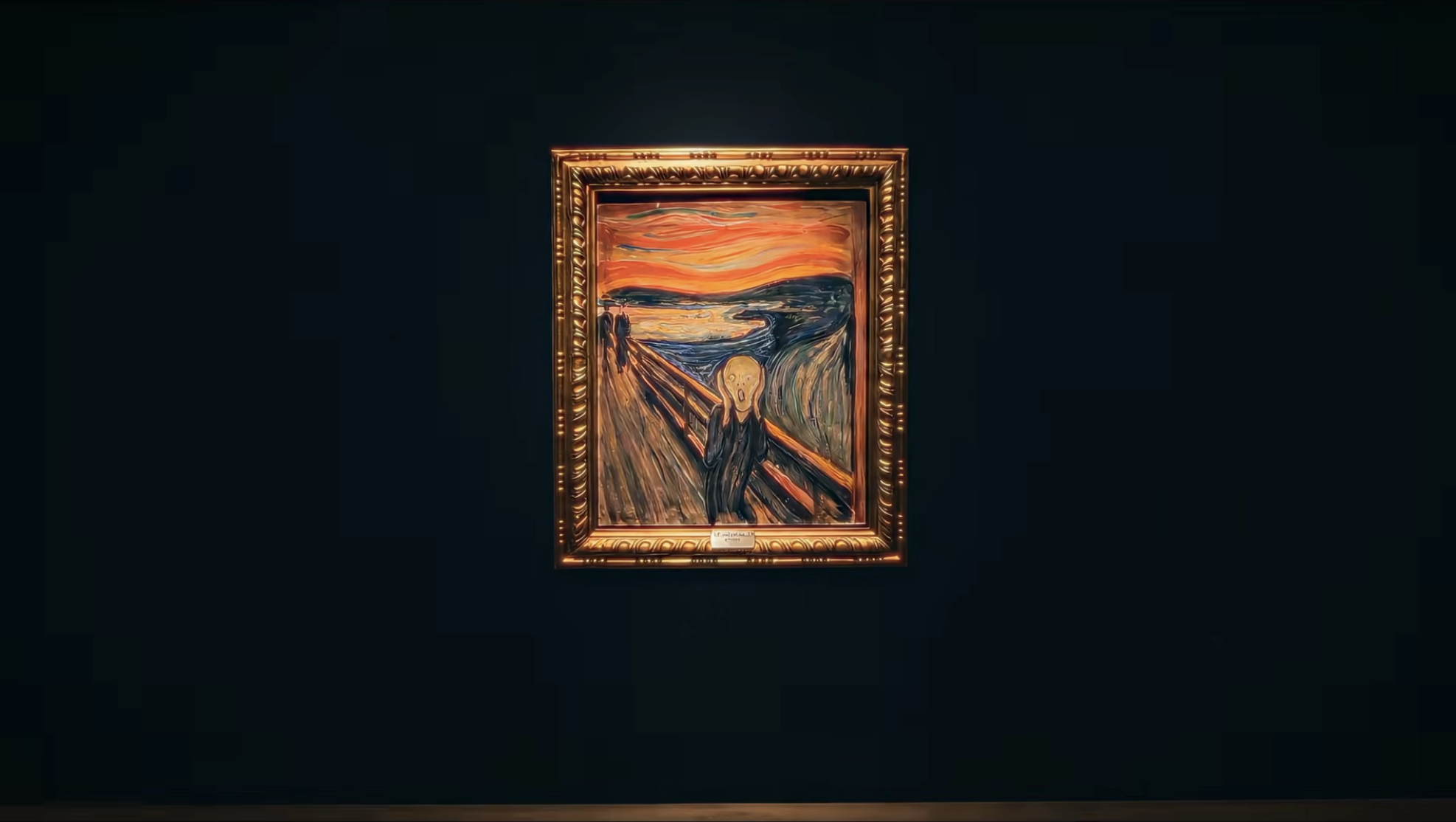
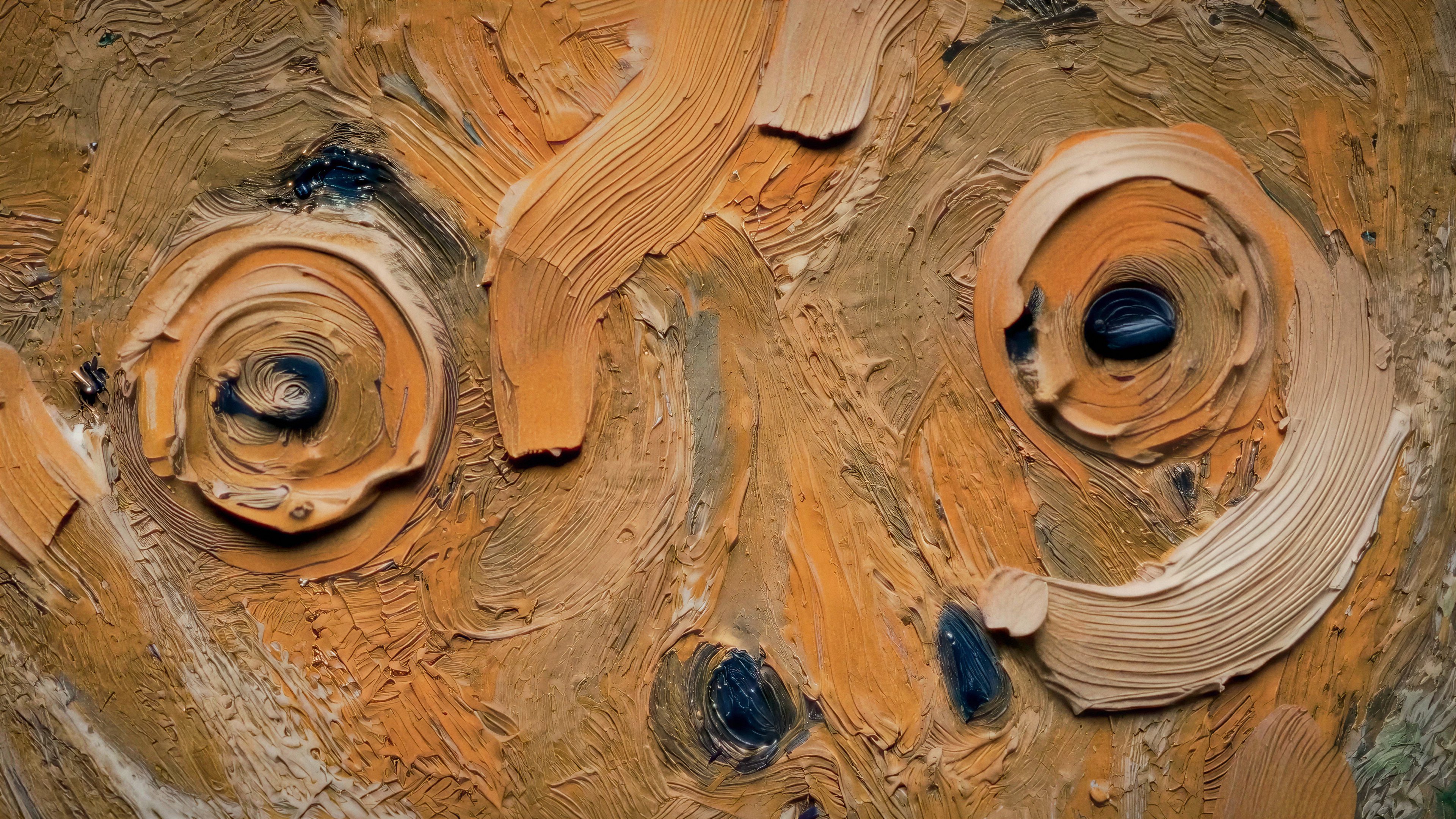
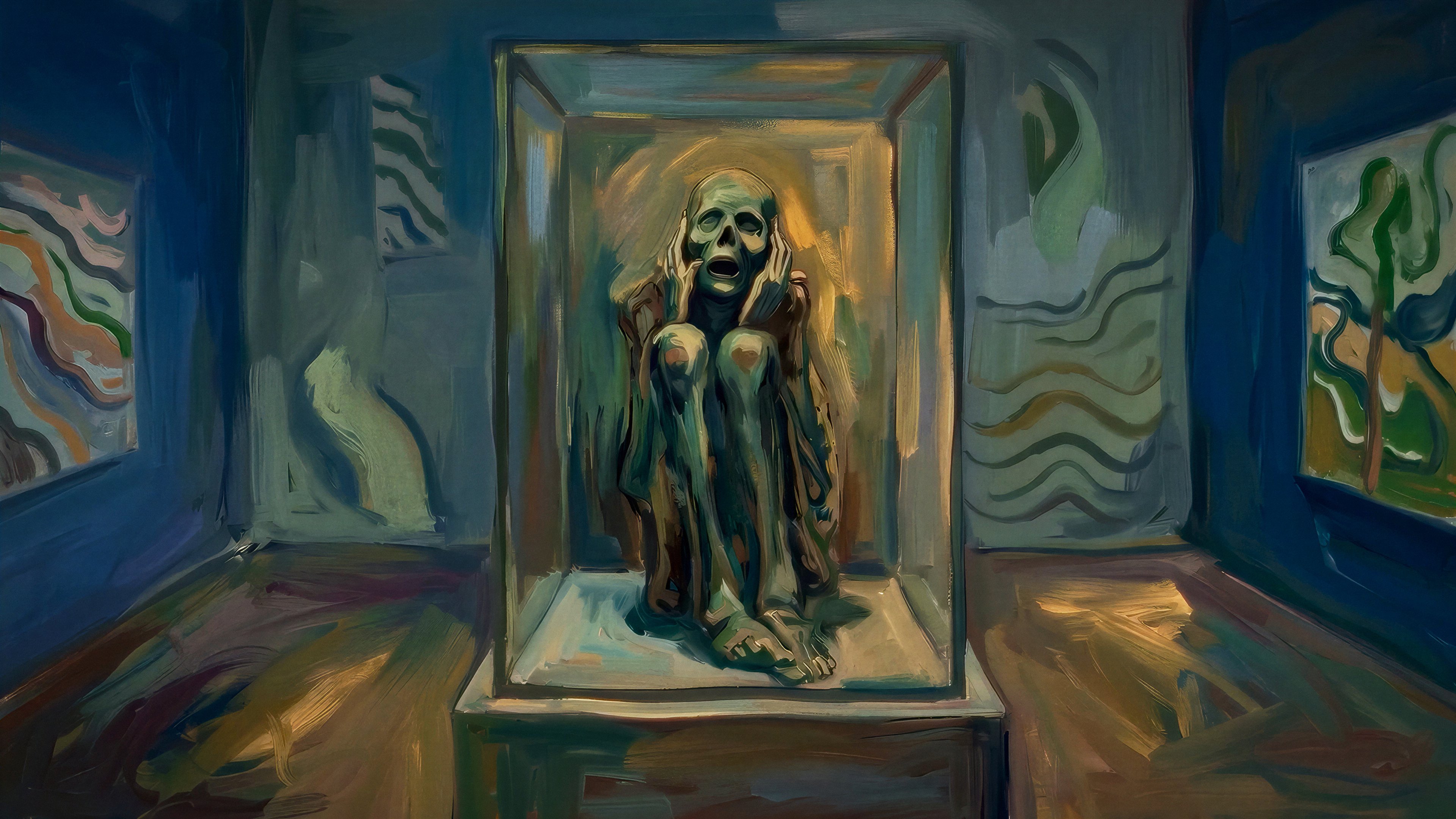
Then separately, Fremantle’s COO visited a gallery and saw his son using AI to animate the paintings on his phone. That was the genesis of the idea: can we explore the inner worlds of great artworks? We wanted to treat these works with reverence and explore their inner emotional and intellectual worlds – and use that to bring them to a younger generation who might know the scream emoji but wouldn't necessarily fly to Oslo to visit the National Museum.
Hilario, what was your reaction when you first heard the concept?
HA: I loved it immediately. I studied art history before my directing career, so it felt like returning to something I genuinely cared about. And the paintings selected for this first season are all famous but also very different from each other, which as a creative felt like a gift.
I've been using Runway since very early on. My first AI-native project, The Myth, won a Silver Award in Runway's first Gen:48 contest. So coming into this project, I was very comfortable with the tools.
How did you approach the creative process differently on an AI-native project compared to traditional filmmaking?
HA: For me, it's actually very natural – more natural than people might expect. Before I started working with cameras and crews, I was a teenager using my computer to sketch out story ideas, working with machinima techniques to tell stories in virtual worlds. So this feels like a return to that, but with much more powerful tools.
I think of it as storyboarding with superpowers. You can materialize very specific ideas that exist in your head in a way that wasn't possible before. The image-to-video pipeline is my main workflow here: I start from concept, move to image and then from image to video. For a project like this, where you're really working as an artisan—not batch-producing anything—the most essential feature is still the classic one: text input, image input, choosing your model. One thing I find particularly useful is being able to select a specific frame and use that as the starting point for a new generation. That kind of precise control over continuity is critical when you're trying to maintain reverence for the source material.
James, how did the production and review process feel different from your experience on non-AI-native projects?
JD: It's significantly more interactive. We can send something on a specific frame and give very targeted feedback right in the tool. And as the models improve, you can get more surgical about it – the feedback loop feels less heavy than a traditional production workflow, especially when your team isn't all in the same room.
What's the reception been like?
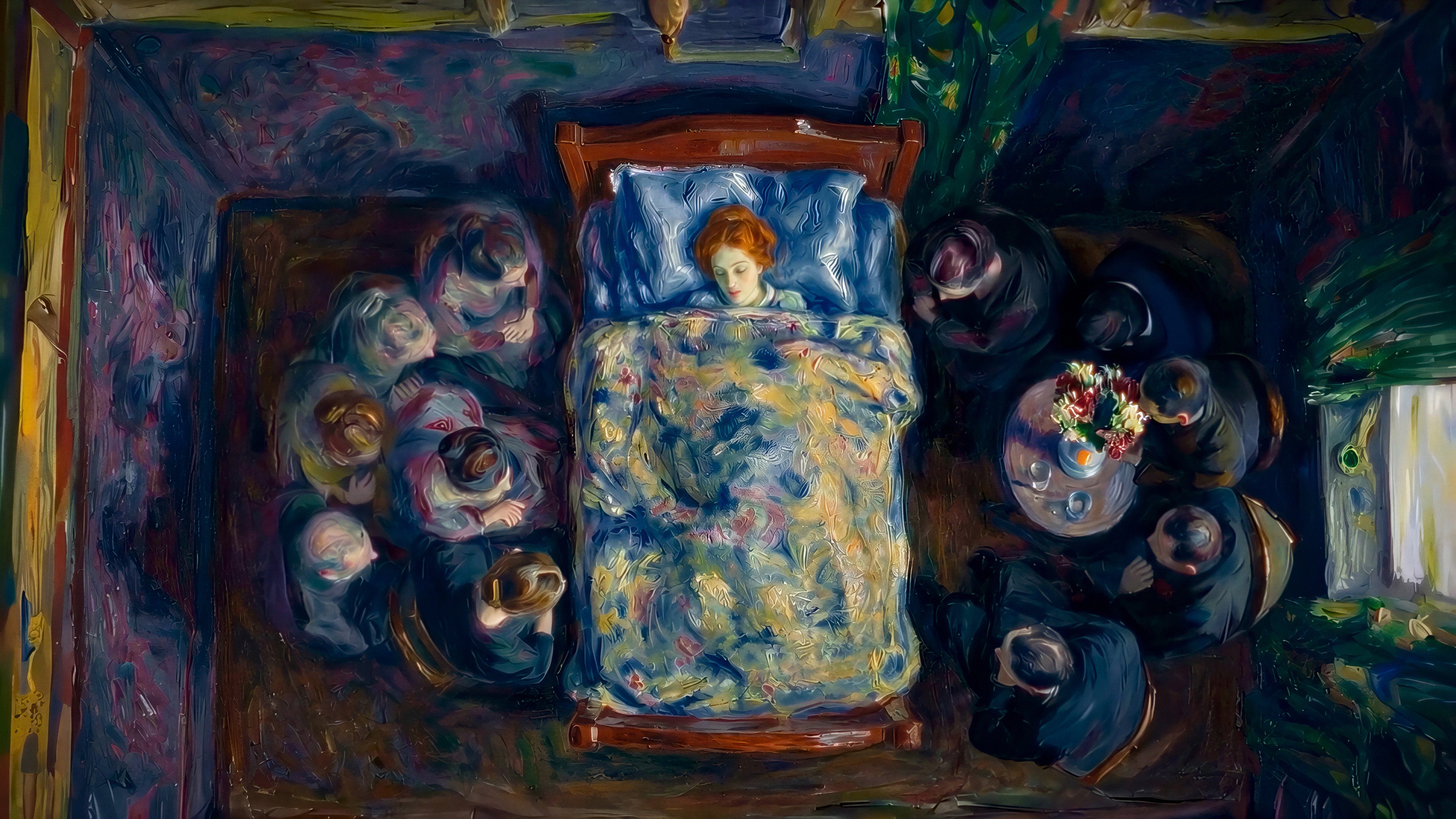
JD: Very positive, across the board. We were featured in The Times and The Hollywood Reporter, and they were genuinely enthusiastic about the vision of using generative AI to make art more accessible. I've shown it to a major broadcaster and they said this is exactly where generative AI should be going. Internally, Fremantle, RTL and Bertelsmann have been incredibly supportive.
The most meaningful metric for us isn't views. We're all creators. The question is: have we made something we're genuinely proud of? And we have.
What's next for Imaginae Studios, and for you personally as a filmmaker?
JD: We want to work with the world's best creatives and help them realize their most ambitious visions. One thing that's unique about working with Imaginae is that through our master agreements with Bertelsmann, we have IP protections across major AI models including Runway – so everything we create, we own the IP on, with full indemnities. That's something individual creators often can't access on their own.
In terms of what's coming, we're going big. We have a couple of very ambitious tentpole productions in development that I can't name yet. We're deliberately going for a few major things rather than a lot of smaller ones.
HA: I've mostly worked in short-form until now – my longest AI-native piece has been around 11 minutes. I think the natural path forward is longer narratives with more complex storytelling. But I also love what you can do in a more concentrated form – a polished piece you make in a month that really lands. I see both kinds of work existing in parallel. And there are ideas that I want to explore that simply wouldn't have been possible before, things that exist at the intersection of experimental filmmaking and collaboration – where you start with a seed and open it up.